Healthy Meal Delivery Sounds Like a Dream — Here's Why It Usually Falls Apart by Wednesday
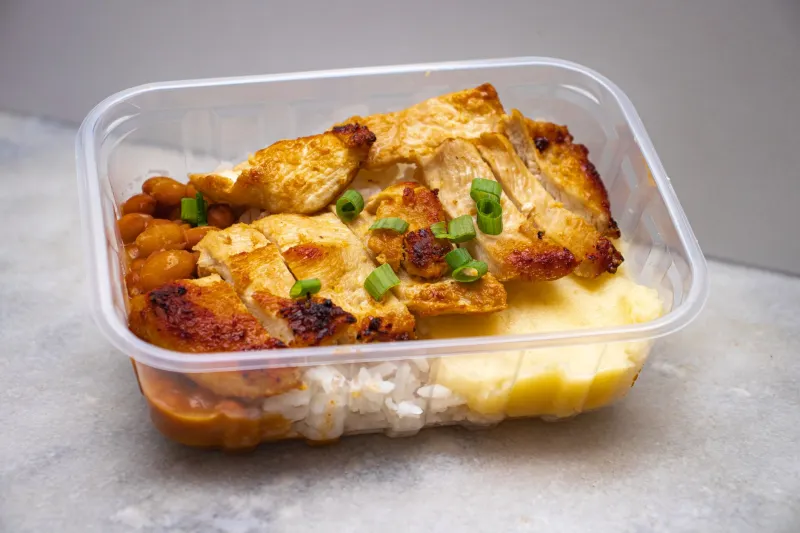
The pitch is almost impossible to resist. Perfectly portioned containers, macros listed right on the label, no chopping, no dishes, no thinking. Just open, heat, eat, repeat. Meal prep delivery services have gotten very good at selling the idea of effortless healthy eating — and Americans are buying it by the billions.
But here's the thing nobody talks about in those Instagram ads: a huge number of people who sign up for these services quietly abandon them within a month. The containers pile up in the fridge. The subscription gets paused, then canceled. And somehow, the person who started the week with the best intentions ends up ordering a large pepperoni pizza by Friday.
So what's actually happening?
The Portion Illusion Is Real
Most meal prep services design their portions to look generous on camera and in marketing photos. In practice, a lot of those containers leave you reaching for a snack an hour later — which completely undermines the whole point.
The math gets tricky fast. A meal labeled at 450 calories sounds responsible until you realize that's supposed to carry you through a six-hour workday. If you're active, stressed, or just a normal human being who gets hungry, that gap between what the service calls a "meal" and what your body actually needs becomes a real problem. You end up supplementing constantly, which quietly erases whatever calorie discipline you thought you were building.
Portion sizes are also calibrated for an imaginary average person. Someone who's 5'4" and sedentary has wildly different needs than someone who's 6'1" and goes to the gym four times a week. Most services don't account for that variation in any meaningful way, and the ones that do often charge a premium that makes the whole thing feel less like a health investment and more like a luxury subscription.
What's Hiding in That Sauce
This is where things get genuinely sneaky. Meal prep brands lean hard into words like "clean," "wholesome," and "chef-crafted" — and they're not technically lying. The grilled chicken probably is grilled. The vegetables probably are real vegetables.
But the calorie counts on those labels often don't fully account for the sauces, dressings, and glazes that make the food taste like something you'd actually want to eat. A plain grain bowl is fine. A grain bowl with a tahini-miso drizzle and a teriyaki-adjacent sauce is a different situation entirely.
Some services are transparent about this. A lot aren't. And even when the information is available, it's buried in fine print that most people don't read when they're reheating lunch at their desk at 12:45 on a Tuesday.
The dirty secret of meal prep delivery is that the food has to taste good enough to keep you subscribed. That means fat, salt, and sugar are doing a lot of quiet work behind the scenes — which isn't inherently bad, but it does complicate the "I'm eating clean" narrative that got you to sign up in the first place.
The Midweek Collapse
There's a pattern that shows up constantly among people who've tried these services: Monday and Tuesday are great. Wednesday starts to feel repetitive. By Thursday, the thought of eating the same herb-roasted salmon for the fourth time is genuinely depressing. Friday is a write-off.
Meal fatigue is real, and it's something the meal prep industry is structurally bad at solving. Most services rotate menus weekly, but within a given week, you're often eating variations on the same two or three flavor profiles. That gets old fast.
The other issue is that these services require you to be home, or at least have access to a refrigerator, on a fairly predictable schedule. Life doesn't cooperate with that. A last-minute work dinner, a weekend trip, an evening where you just don't want to eat at home — all of these create situations where your carefully curated containers sit in the fridge getting sadder while you eat something else entirely.
The Pricing Problem Nobody Wants to Admit
Let's talk about cost, because this is where the whole thing tends to unravel for most people.
A mid-tier meal prep service typically runs somewhere between $10 and $15 per meal, sometimes more depending on the plan and any add-ons. For two meals a day, five days a week, you're looking at $100 to $150 minimum — and that's before you account for the snacks you're buying because the portions aren't quite cutting it, or the weekend meals you're ordering separately because the service doesn't cover those.
For a lot of households, that math eventually stops making sense. Especially when you realize you could order from a solid local restaurant through a delivery app for a similar per-meal cost and actually get food you're excited to eat.
The services that offer lower price points tend to compensate with cheaper ingredients, smaller portions, or both — which circles right back to the original problem.
What Actually Works If You're Trying to Eat Well
None of this means meal prep delivery is useless. For certain people in certain situations — a genuinely packed schedule, limited cooking skills, or a specific dietary need that's hard to meet otherwise — these services can be a legitimate tool.
But if you're using them as a crutch for eating healthy without thinking about food, they tend to disappoint. Here's what tends to work better:
Use delivery apps more strategically. A lot of local restaurants already offer nutritionally solid options — grain bowls, protein-forward plates, build-your-own salads — that are priced competitively with meal prep services and taste significantly better. Apps like the ones you're probably already using can filter by cuisine type and dietary preference, which makes finding these options easier than it used to be.
Order components, not complete meals. Some people have better luck ordering individual proteins, roasted vegetables, or grains from local spots and assembling their own combinations throughout the week. It's less prescriptive and more flexible.
Be honest about your actual schedule. If you know you're not going to be home three nights this week, don't order a five-day meal plan. The containers you don't eat aren't saving you anything.
Read the macros before you commit. Most meal prep services let you browse menus before subscribing. Spend ten minutes actually looking at the numbers, not just the marketing copy, before you hand over your credit card.
The meal prep delivery industry is selling a version of healthy eating that's designed to be appealing, not necessarily effective. That doesn't make it a scam — it makes it a product. And like any product, it works best when you understand what it actually is, rather than what the ads want you to believe.