Why Breakfast Delivery Keeps Letting You Down — And What to Do About It
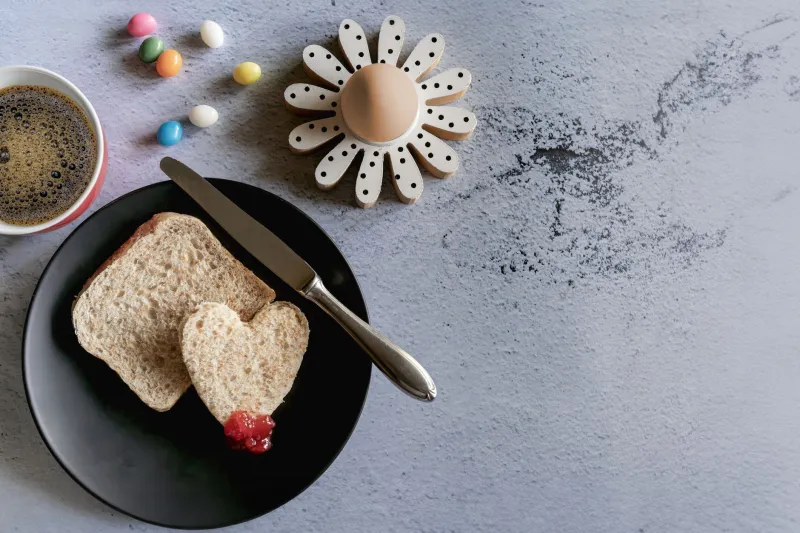
You wake up, open your delivery app, place what feels like a perfectly reasonable order — scrambled eggs, toast, maybe a breakfast burrito — and then wait. When the bag finally arrives, the eggs have turned rubbery, the toast is limp, and the coffee is somewhere between warm and room temperature. You eat it anyway because you're hungry and already committed.
This is not a one-time thing. Breakfast delivery underperforms compared to lunch and dinner on almost every metric that matters: temperature, texture, timing, and overall satisfaction. And the reasons why have less to do with individual restaurants and more to do with how the entire morning delivery ecosystem is structured.
Let's break it down.
The Morning Rush Problem Nobody Talks About
Here's something the apps won't advertise: driver availability during breakfast hours is significantly lower than at lunch or dinner. Most delivery drivers work peak shifts — which historically cluster around the midday and evening windows when volume and tip potential are highest. Early morning is a thin market.
Fewer drivers means longer waits between restaurant pickup and your front door. And longer waits are catastrophic for breakfast food in a way they simply aren't for, say, a burger or a bowl of pasta. Eggs lose their texture within minutes of leaving the pan. Pancakes go from fluffy to dense almost immediately. French toast becomes a soggy brick. These aren't dishes that hold well — they were never designed to.
Surge pricing during morning hours compounds the problem. When driver supply is low and demand spikes (think Monday mornings, post-holiday Fridays, or any day when office workers are back at their desks and not cooking), the apps quietly adjust pricing upward. You end up paying more for a worse experience.
The Menu Items Most Likely to Disappoint
Not all breakfast foods are equally vulnerable. Some survive a 20-minute transit window. Others don't stand a chance.
High-risk items:
- Scrambled and fried eggs — they overcook from residual heat inside the container and arrive rubbery almost every time
- Waffles and pancakes — steam trapped in the bag turns the exterior soft; the crisp edges are long gone
- Avocado toast — the bread absorbs moisture from the avocado spread within minutes
- Breakfast sandwiches with eggs — the egg steams the bread from the inside out
- Hot coffee and espresso drinks — unless the restaurant is very close, these arrive lukewarm at best
Lower-risk items:
- Breakfast burritos — the tortilla acts as insulation and holds heat reasonably well
- Bagels with cold toppings (cream cheese, lox) — no hot components means no steam damage
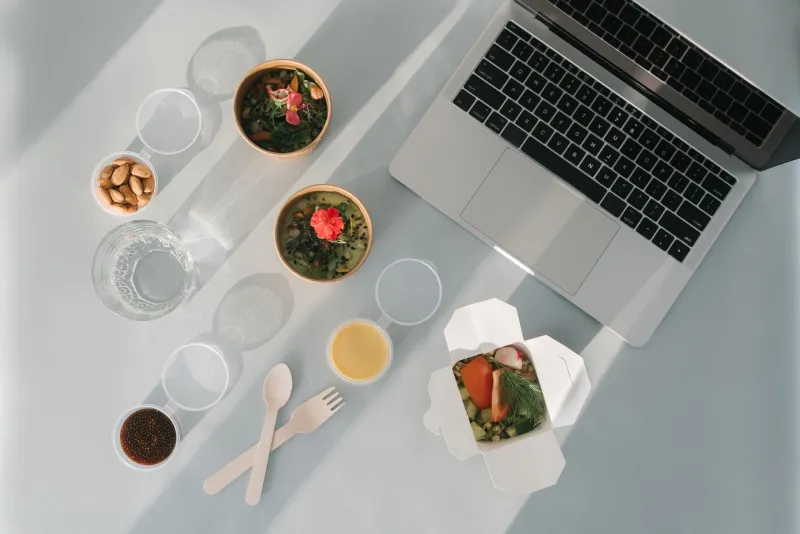
- Grain bowls and overnight oats — temperature-stable by design
- Pastries and baked goods — they don't need to be piping hot to be good
- Cold brew and iced coffee — temperature is a feature, not a bug
If you're ordering breakfast delivery and expecting hot eggs that taste like they came off a diner griddle two minutes ago, you're setting yourself up for disappointment. Shift your expectations — or shift your order.
Timing Tricks That Actually Work
One of the most underrated moves in breakfast delivery is ordering slightly earlier than you actually want to eat. This sounds counterintuitive, but hear it out.
Restaurant kitchens during early morning hours are often quieter than at peak lunch or dinner service. If you place an order at 7:45 AM for a 8:15 AM delivery window, you're more likely to get a kitchen that's fully warmed up but not yet overwhelmed — and a driver pool that's starting to grow as the morning shift kicks in. Orders placed right at the peak of morning demand (8–9 AM in most cities) tend to stack up, sit longer, and arrive later.
Also worth knowing: many apps allow you to schedule orders in advance. If you're a consistent early riser, scheduling the night before can lock in your delivery window before the morning crunch hits. Some restaurants even prep scheduled orders with more care than reactive ones.
How to Pick the Right Restaurant
Restaurant selection matters more for breakfast than any other meal. You want a kitchen that understands delivery — one that packages thoughtfully, times its prep correctly, and ideally sits within a short radius of your location.
A few things to look for:
Check the distance, not just the estimated time. Apps can show a 25-minute estimate that's based on optimistic driver availability. If the restaurant is more than two miles away, reconsider. For breakfast food especially, proximity is everything.
Read recent reviews specifically about delivery. Look for comments that mention packaging, temperature, or whether the food arrived in good shape. Dine-in reviews won't tell you what you need to know.
Favor restaurants that specialize in delivery-friendly breakfast. Spots that do a high volume of delivery orders tend to have packaging systems that account for steam and temperature. A traditional diner that primarily serves walk-in customers may not be packaging for transit at all.
Ghost kitchens and virtual breakfast brands are worth a look here — they're built entirely around delivery logistics and often handle temperature-sensitive items better than traditional restaurants.
The Tipping Strategy Nobody Wants to Admit
This one's uncomfortable but real: tip upfront, and tip well, especially for morning orders. During low-driver-supply windows, delivery workers can see the tip before they accept an order. A low tip on a breakfast run that requires navigating morning traffic in a thin driver market is a skip. Your order sits.
That doesn't mean you should over-tip for bad service — but if you want your food to arrive while it's still warm, front-loading a fair tip during off-peak delivery hours is one of the most effective tools available to you. Think of it as paying for speed, not just service.
Rethink What Breakfast Delivery Is Actually Good For
Maybe the most useful shift you can make is redefining what you're ordering breakfast delivery for. If the goal is a hot, fresh, made-to-order morning plate, delivery is often the wrong tool. That experience is hard to replicate outside a restaurant or your own kitchen.
But if the goal is a reliable, convenient, no-effort morning meal that shows up at your door or office — and you're willing to choose items that travel well — breakfast delivery absolutely delivers. Cold brew, a solid breakfast burrito, a good bagel, a hearty grain bowl. These aren't compromises. They're smart choices.
Eat We Go exists to help you find the right meal for the right moment. And sometimes the right moment is a Tuesday morning when you'd rather not cook, you've got a full day ahead, and you just need something that works. Know the system, pick accordingly, and breakfast delivery stops feeling like a gamble.