Confessions of a Concession Stand: How to Actually Eat Well at a Stadium or Arena
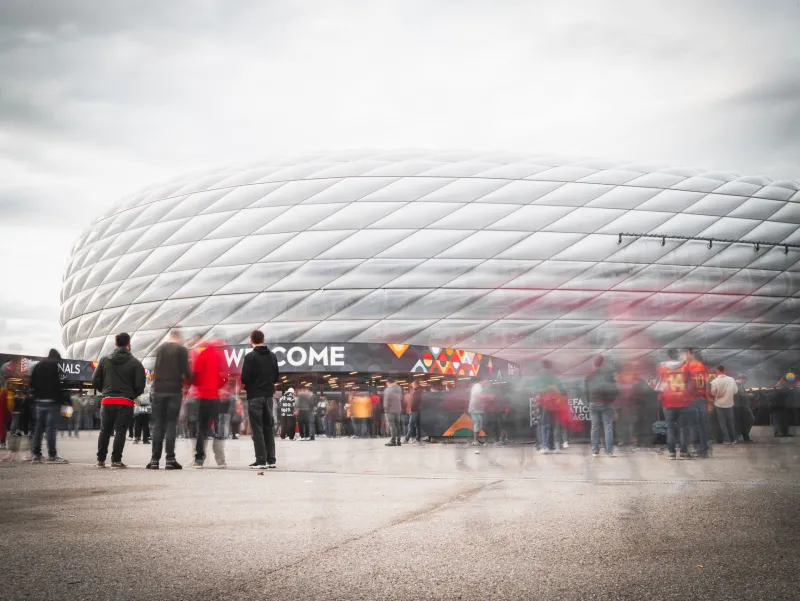
Let's get one thing out of the way: yes, you will pay more for food inside a stadium than you would almost anywhere else. That's just the deal. But the idea that event food has to be a soggy hot dog and a $14 domestic beer? That's a story that stopped being true a while ago — and most people just haven't caught up yet.
The live event food scene has quietly undergone a serious transformation over the past decade. Chefs who built their names in actual restaurants are now designing concession menus. Local food vendors are getting permanent spots inside arenas. And a growing number of venues are competing on food quality as much as they are on sightlines and sound systems. The problem is, most fans still walk in with their eyes down, grabbing the first thing they see. That's the real reason event food gets a bad rap.
Here's how to do it differently.
Stop Walking Straight to the Nearest Stand
The stands closest to the main entrance are almost always the worst value. They're positioned to catch people who haven't had a chance to look around yet — and they know it. Before you commit to anything, do a lap.
Most large arenas and ballparks now publish their concession maps online or inside their official apps. Pull it up before you leave home. You're looking for anything that isn't a generic brand name or a franchise you can get at a strip mall. Those branded stands exist for a reason — convenience and familiarity — but they're rarely where the interesting food lives.
The gems tend to be tucked into corners, up on club levels (sometimes accessible to all ticketholders), or grouped together in a dedicated food hall section that not every fan bothers to find. At Chase Center in San Francisco, for example, a rotating roster of Bay Area chefs and local restaurant brands operates inside the building. AT&T Stadium in Dallas has featured local BBQ operations that could hold their own against dedicated smokehouses. These aren't accidents — they're deliberate programming decisions by venues that understand food is part of the experience.
The Club Level Secret Most General Admission Fans Miss
Here's something worth knowing: at a lot of stadiums and arenas, certain club level concourses are open to any ticketholder, not just people sitting in premium seats. The food options up there tend to be significantly better — think full plates, actual kitchen setups, and menus that go beyond finger food.
Before your next event, check the venue's FAQ or shoot a quick message to their social accounts. Ask whether the club concourse is open to all guests. You'd be surprised how often the answer is yes, especially during lower-attendance games or early in a show when staff aren't policing the elevator banks.
Even when the seating area itself is restricted, the concession stands on that level sometimes aren't. It's worth the extra few minutes to find out.
How Venue Chefs Actually Think About the Menu
Talk to anyone who's designed food for a high-volume event space and they'll tell you the same thing: the constraint isn't quality, it's logistics. You're feeding tens of thousands of people in a two-hour window with limited kitchen space and a staff that turns over constantly. The menu has to account for all of that.
That's why the best stadium food tends to be things that hold well, travel without falling apart, and can be assembled quickly. Brisket sandwiches. Loaded fries. Smash burgers. Birria tacos. These aren't lazy choices — they're smart ones. A good chef designing for a stadium isn't trying to recreate a sit-down restaurant; they're engineering a dish that delivers maximum flavor under real constraints.
What this means for you: lean into the items that are built for the format. A braised meat sandwich will almost always outperform anything that was supposed to arrive hot and crispy but had to sit in a tray for eight minutes. If something sounds like it requires precision timing to be good, it's probably not going to be good here.
Timing Is Everything (Seriously)
The worst time to buy food at a stadium is when everyone else is buying food. Right before the event starts and at halftime or set breaks, lines back up fast and staff get slammed. The food quality dips, your wait time spikes, and the whole experience gets frustrating.
The best time? About 20 minutes after the main action starts. Lines clear out dramatically once the game is underway or the opening act finishes. You get fresher food, faster service, and you're not missing anything critical. Most seasoned event-goers have figured this out — the concourses during the first quarter or the second song are almost empty.
If you're at a baseball game, you've got nine innings to work with. Use them. There's no rule that says you have to eat in the first 20 minutes.
Mobile Ordering Has Changed the Game
Almost every major venue now has a mobile ordering option built into their app, and if you're not using it, you're leaving time on the table. Order ahead, skip the line, and pick up your food from a dedicated window. Simple.
The catch is that not every stand participates in mobile ordering, and the ones that do tend to be the more popular items. Check the app before the event starts and figure out which vendors are available for pickup. If the local BBQ spot you spotted on the concession map is on there, lock in your order during the first period and grab it at your leisure.
Some venues also offer in-seat delivery for certain sections. If that's available for your seat and the menu looks decent, it's worth the small upcharge — especially if you're with kids or you genuinely don't want to miss a minute of the action.
The Price Question
Yes, it's expensive. But there are ways to manage it without starving yourself or smuggling in a full meal (which, let's be honest, gets old fast).
First, eat something before you arrive. Not a full meal necessarily, but enough that you're not walking in ravenous and grabbing the first thing in sight. That's when you make expensive, regrettable food decisions.
Second, look for combo deals or value bundles on the app or at the stand itself. Many venues offer these but don't advertise them aggressively — you have to ask or look closely at the menu board.
Third, skip the bottled water markup and look for water fountains or free water stations, which most venues are now required to provide. Redirect that money toward something actually worth eating.
The Bottom Line
Event food doesn't have to be a compromise. It takes a little more effort than just grabbing whatever's closest, but the payoff is real — a genuinely good meal that becomes part of the experience rather than a forgettable tax on your night out.
Next time you're heading to a game, a concert, or any live event, do your homework the same way you'd research a restaurant in a new city. Check the concession map. Look for local vendors. Time your run to the stands. Use the app. The food is there — you just have to know where to look.