Ordering from Nowhere: The Insider's Guide to Ghost Kitchens and Virtual Brands Worth Your Delivery Fee
You pull up your delivery app, scroll past the usual suspects, and land on something that stops you cold — a Nashville hot chicken spot you've never heard of, with a slick logo, a tight menu, and reviews that seem almost too enthusiastic. You place the order. The food is solid. Better than solid, actually. But when you try to look up the address on Google Maps, you get... a parking lot. Or a strip mall. Or the back entrance of a completely different restaurant you've been to a dozen times.
Welcome to the ghost kitchen economy. It's been quietly running in the background of your food delivery habit for years, and it's only getting bigger.
So What Exactly Is a Ghost Kitchen?
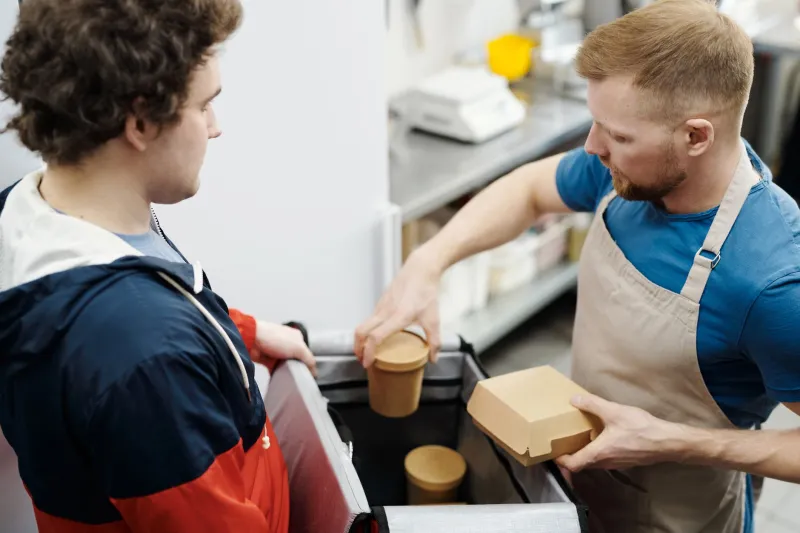
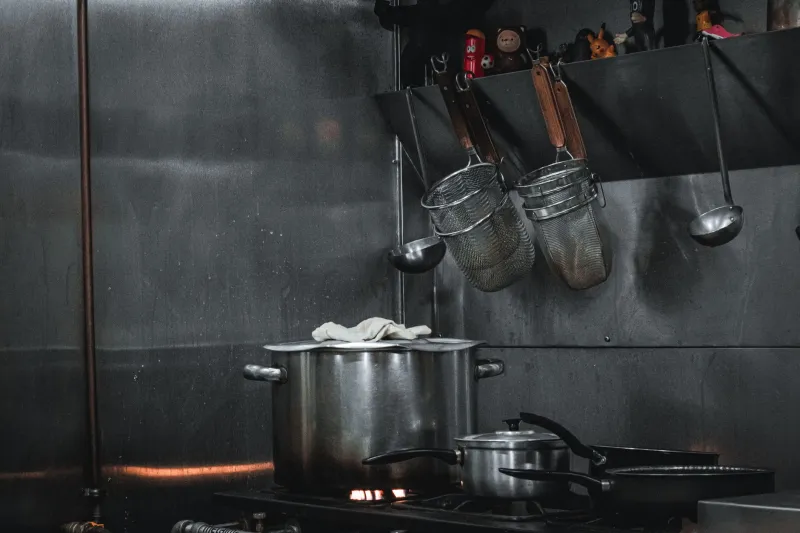
A ghost kitchen — sometimes called a virtual kitchen, dark kitchen, or cloud kitchen — is a commercial cooking facility that exists purely to fulfill delivery orders. There's no dining room. No host stand. No walk-in customers. Just a kitchen, a few cooks, and a direct pipeline into whatever delivery apps you're already using.
Some ghost kitchens are standalone operations purpose-built for delivery. Others are tucked inside existing restaurants that rent out their off-hours capacity to other brands. A pizza place that closes at 10pm might be running a late-night wing concept out of the same ovens until 2am. That burger brand with the catchy name? It might share a commercial kitchen with a taco concept, a smoothie brand, and a pasta operation — all under one roof, all invisible to you as a customer.
For entrepreneurs, the appeal is obvious. Traditional restaurant buildouts can run $500,000 or more before you serve a single customer. A ghost kitchen slot can get you up and running for a fraction of that, often in a matter of weeks. You get to test a concept, refine your menu, and build a customer base without betting your life savings on a lease in the right neighborhood.
Why This Actually Matters for You as an Eater
Here's the thing: ghost kitchens aren't inherently worse than brick-and-mortar restaurants. In fact, some of the most focused, well-executed delivery food you'll ever eat comes from virtual brands. When a kitchen exists only to make food that travels well and tastes great at your door, they tend to get really good at exactly that.
The flip side is that the model also attracts operators who are more interested in gaming app algorithms than feeding people well. A delivery-only brand can launch with professional food photography, a compelling concept, and zero culinary substance. That's the version worth avoiding.
Knowing the difference before you spend $18 on a bowl that disappoints is the whole game.
How to Spot a Ghost Kitchen on Your Delivery App
Delivery platforms don't go out of their way to label virtual brands, but there are tells if you know what to look for.
The address overlap. Search for a brand's address and cross-reference it with other restaurants at the same location. If three different concepts are listed at the exact same address, you're almost certainly looking at a shared ghost kitchen facility. That's not a red flag on its own — it just means you're dealing with a virtual brand.
The narrow, hyper-focused menu. Legitimate ghost kitchen concepts tend to specialize hard. A menu with 40 items spanning multiple cuisines is a warning sign. A menu with 8 to 12 items that all revolve around one core ingredient or technique? That's usually a good sign someone actually thought about what they were making.
The review patterns. Healthy ghost kitchen brands accumulate reviews that talk specifically about the food — texture, flavor, portion size. Be skeptical of brands with dozens of five-star reviews and comments that read like they were written by a template. Genuine reviews mention specific dishes.
The parent company lookup. Some ghost kitchen operators run dozens of virtual brands out of the same facility. Companies like Reef Technology and Kitchen United operate large networks of delivery-only kitchens across the US. If you dig into a brand and find it's one of fifteen concepts run by the same operator, that's worth knowing before you order.
The Concepts That Tend to Deliver (No Pun Intended)
Not all food translates well to the delivery format, and the best ghost kitchen operators understand this deeply. Here's where virtual brands consistently shine:
Smash burgers and fried chicken sandwiches. These were practically designed for delivery. They hold heat, they travel without losing structural integrity, and the flavor profile doesn't require precise timing to enjoy.
Birria and braised meat concepts. Slow-cooked, heavily sauced proteins actually improve in transit. The consome stays hot, the meat stays tender, and by the time it reaches you, everything has melded together beautifully.
Bao, dumplings, and wrapped formats. Anything that contains its own sauce tends to survive the journey better than dishes that rely on a delicate sauce-to-protein ratio.
Dessert and snack-focused brands. Cookies, brownies, loaded fries — delivery-only dessert concepts have been crushing it in cities like LA, Chicago, and New York for a few years now.
On the flip side, delivery-only concepts built around delicate salads, fresh sushi, or anything that requires tableside finishing are usually fighting an uphill battle.
How to Find the Hidden Gems
The best ghost kitchen brands often fly under the radar because they don't have the marketing budget of an established chain. Here's how to surface them on your next order.
Sort your delivery app by "new" or "recently added" in your area. Ghost kitchen concepts launch and iterate constantly — catching one early means you might discover something before the algorithm buries it.
Pay attention to the cuisines that are underrepresented in your neighborhood through traditional restaurants. A ghost kitchen specializing in Oaxacan food or Sichuan-style skewers might exist specifically because the entrepreneur couldn't afford a physical space in your part of town — but they can reach you through the app.
Follow local food writers and food Instagram accounts in your city. Ghost kitchen discoveries spread through word of mouth faster than any other format, and food-obsessed locals are usually first to surface the good ones.
The Bigger Picture
Ghost kitchens aren't going anywhere. If anything, the infrastructure supporting them is expanding. More shared kitchen facilities are opening across the country, more established restaurant groups are launching delivery-only sub-brands, and more independent chefs are using the format to test ideas before committing to a physical space.
For eaters, that means the delivery app you use every week is quietly becoming a catalog of food concepts that exist in a kind of parallel restaurant universe — one where the food can be fantastic, the overhead is low, and the whole operation lives or dies on whether you actually enjoy what shows up at your door.
That's a system worth learning to navigate. Because somewhere in your app right now, there's a ghost kitchen concept making something genuinely worth ordering — and it's waiting for someone who knows how to find it.