From Kitchen to Doorstep: What Really Happens to Your Food During Delivery
You've been there. You order from that spot you love — the one where the fries are always crispy and the tacos never disappoint — and forty minutes later you're staring at a soggy mess wondering what went wrong. Spoiler: the restaurant didn't suddenly forget how to cook. Something happened between the pass and your front door, and it's more complicated than you'd think.
Food delivery has become a full-on American habit. According to research from the National Restaurant Association, nearly 60% of U.S. adults order delivery at least once a week. But convenience comes with trade-offs, and understanding them can seriously upgrade your delivery game.
The Physics of a Dying Fry
Let's start with the villain of the delivery story: steam. When hot food gets sealed inside a container, moisture has nowhere to go. It condenses on the lid, drips back down, and turns your crispy fries into something closer to steamed potatoes. This isn't a packaging flaw so much as basic thermodynamics doing what it does.
"The number one enemy of delivery food quality is trapped moisture," says Marcus Tello, a restaurant operations consultant based in Chicago who has worked with regional chains on their delivery programs. "Fried foods, anything with a crust, anything that's supposed to have texture — they all suffer when you lock them in an airtight box for 30 minutes."
Temperature fluctuation is the second big problem. Food that starts at 165°F in the kitchen can drop to under 130°F within 20 minutes, especially if the delivery bag isn't insulated properly. That's not just a quality issue — at certain temperature ranges, it becomes a food safety concern too.
Why Some Dishes Survive the Ride (and Some Don't)
Not all food is equally vulnerable. The delivery-friendly menu items tend to share a few common traits: they're saucy, they're forgiving with heat, and they don't rely on crunch or contrast for their appeal.
Think birria tacos, brothy noodle soups, braised short ribs, butter chicken, or a well-built burrito. These dishes actually travel well because the sauce or liquid maintains heat and the textures don't degrade much over time. A bowl of ramen from a place that packages the broth separately? That's a delivery-optimized move.
On the flip side, dishes that are built around contrast — a salad with crispy wontons, a burger with a perfectly toasted bun, tempura anything — are fighting an uphill battle the moment they leave the kitchen. That doesn't mean you shouldn't order them. It just means you should go in with adjusted expectations, or ask the restaurant to pack components separately when possible.
Restaurant operator Diana Kwon, who runs a Korean-American fusion spot in Los Angeles, redesigned her delivery menu after noticing a pattern in negative reviews. "People were rating us lower for delivery than dine-in, and it wasn't our food — it was what happened to the food in transit," she says. "We started separating sauces, using vented containers for anything fried, and adding a little note in the bag about which items to plate before eating. Our delivery ratings went up almost immediately."
The Packaging Problem Is Real
Not every restaurant has invested in delivery-optimized packaging, and the difference is noticeable. Cheap styrofoam clamshells trap steam and heat unevenly. Thin plastic containers warp. Foil bags can hold heat but also create condensation.
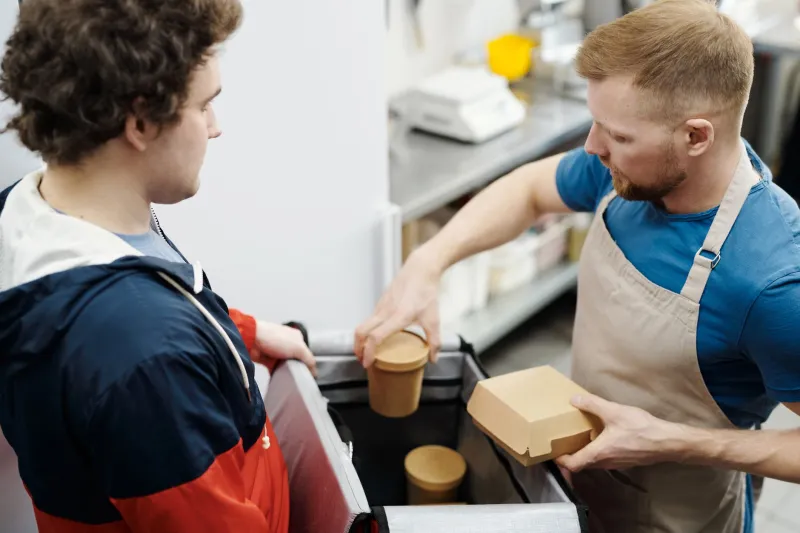
The better operators are using vented containers for fried items, double-walled boxes for anything that needs to stay hot, and sealed cups for sauces and dressings that would otherwise turn everything into a wet mess. Some are even experimenting with compostable fiber containers that breathe just enough to prevent the steam buildup problem.
When you're scrolling through your delivery app, it's worth paying attention to how a restaurant talks about its packaging — or whether it mentions delivery quality at all. Restaurants that have thought carefully about the experience from kitchen to doorstep often say so, and that attention to detail usually shows up in the food.
Timing Is a Bigger Deal Than You Think
Here's something most delivery customers don't consider: when you order matters almost as much as what you order. Placing an order during peak dinner rush — say, 6:30 to 8:00 PM on a Friday — means your food might sit on the pass for several minutes before a driver even picks it up. That wait time, before the drive even starts, is where a lot of quality loss happens.
If you're ordering something delicate, consider going slightly off-peak. An order placed at 5:30 PM or 8:30 PM is more likely to be picked up quickly, which means it arrives in better shape. It sounds like a small thing, but it can genuinely make a difference.
You can also use the special instructions field to your advantage. Asking for sauces on the side, requesting that dressings be packed separately, or even noting that you'd prefer food be packaged to reheat easily — most restaurant staff will accommodate these requests, and they take less than ten seconds to type.
How to Order Smarter, Starting Tonight
You don't have to give up on delivery or settle for mediocre food. You just need a slightly different approach.
Pick the right dishes for the format. Braises, curries, soups (with broth packed separately), grain bowls, and anything saucy are your friends. Save the tempura and fresh salads for when you're sitting at the table.
Check delivery distance. Most delivery apps show estimated arrival times, but they don't always tell you how far the restaurant is. A 15-minute drive from a place that packages well will almost always beat a 35-minute haul from a place that doesn't.
Use special instructions. Ask for sauces on the side. Request that crispy toppings be packed separately. It takes two seconds and can save the dish.
Order during off-peak hours. Less kitchen chaos means faster pickup, which means hotter food at your door.
Give it a quick reheat when it arrives. This isn't admitting defeat — it's just being practical. Two minutes in an air fryer can bring fries back to life. A quick 60 seconds in a pan can revive almost anything.
The Bigger Picture
Delivery isn't going anywhere. If anything, more restaurants are building their entire business model around it. The smart ones are rethinking menus, packaging, and timing with delivery specifically in mind. The even smarter customers are learning which restaurants have done that work — and rewarding them with their orders.
Next time you open your delivery app, spend an extra thirty seconds thinking about what you're ordering and how far it has to travel. Your future self — the one who isn't staring at a soggy container — will thank you.