One Address, Twelve Kitchens: Why Food Halls Keep Beating Another Night of Delivery
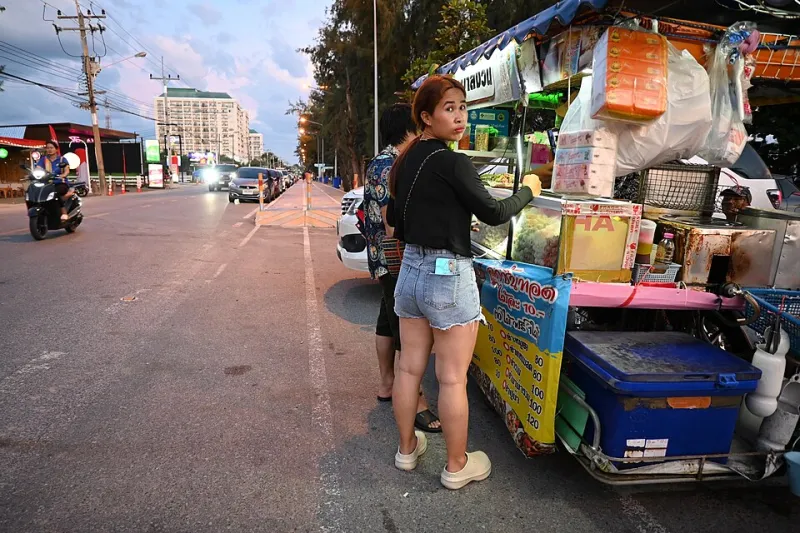
Photo: PattayaPatrol, CC BY-SA 4.0, via Wikimedia Commons
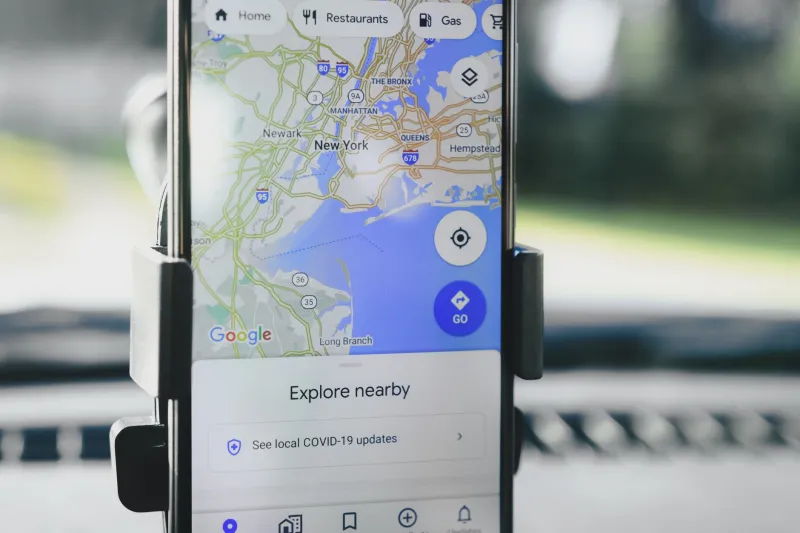
It's 6:47 on a Tuesday. The group chat is doing its usual dance — someone wants tacos, someone is "not that hungry," someone else has quietly stopped replying. Meanwhile there are three abandoned carts in three different apps, and a delivery estimate that reads 52 to 68 minutes.
That is the exact moment a food hall earns its keep. One address. A dozen kitchens. No reservation, no committee vote, no lukewarm arrival. You walk in, do a lap, and the decision makes itself in about ninety seconds.
Food halls have quietly become the most reliable answer to indecisive dinner plans in America, and it isn't just because they're trendy. It's because they solve the one problem delivery apps have never figured out: letting four people with four different appetites each get exactly what they want, at the same time, while it's still hot.
What a food hall actually is (and what it isn't)
A good food hall is a curated lineup of small operators under one roof — often local, often the first permanent space for a chef who's been running pop-ups or a truck. A bad one is a landlord renting stalls to whoever signs the lease. You can tell the difference within about thirty seconds of walking in.
It is also not a mall food court, even though they share architecture. Food courts are built around chains and throughput. Food halls are built around kitchens you'd otherwise have to drive across town to find.
How to read a food hall before you commit
The mistake most people make is ordering from the first counter that looks good. Do this instead:
Walk the whole loop first. All of it. Even the back corner. Plenty of the best stalls are tucked where the rent was cheapest, and the highest-traffic spots near the entrance are often coasting on location.
Watch the lines, not the signs. A line that's moving slowly usually means food is being made to order. A line that's moving fast with a pile of pre-portioned plates behind the counter usually means it's being reheated. Neither is automatically bad, but you should know which one you're paying for.
Count the menu items. Twelve things done competently usually beats forty things done by one exhausted cook. Short menus mean the kitchen has narrowed down what it can actually execute at volume.
Look for the cook, not just the counter. If you can see someone working a flattop or a fryer, that's a good sign. If every surface is stainless steel and untouched, it's a warming operation.
Check the hours on each stall. This is the most common food hall trap. Halls look open as a whole while half the stalls have already shut down for the night or are closed on Mondays. A quick glance at the signage saves a lot of sad wandering.
The stalls worth your money
A few signals that consistently hold up:
- One thing, done well. A stall making only birria, or only hand-pulled noodles, or only one style of pizza, is usually making it correctly.
- Visible prep. Dough being stretched, tortillas being pressed, vegetables being cut — this is where your money goes.
- House-made components. House pickles, house sauces, house bread. Small tells, big difference.
- A regional specialty you can't get nearby. Filipino, Ethiopian, Salvadoran, Uyghur, regional Chinese, Texas-style barbecue — food halls are one of the few places these cuisines get affordable real estate in a downtown.
And a few signals to slow down on: a menu with photos of everything, a concept branded like a delivery startup rather than a restaurant, or a stall offering six cuisines at once. Somebody is microwaving something.
The real cost math against delivery
Here's where food halls quietly win, and it isn't close.
Take a family of four. Order four entrées at roughly $15 each — $60 in food. On a delivery app, that $60 is often not $60. Many restaurants list higher menu prices inside the apps to cover commission, sometimes by 15 to 30 percent. Then add a delivery fee, a service fee that scales with your subtotal, occasionally a small-order fee, a tip that has crept up toward 20 percent, and a priority-delivery upcharge if you want your food in less than an hour. It is not unusual for a $60 order to land near $85 before anything reaches your door — and by then, the fries have opinions.
At a food hall, you pay menu price plus tax. Parking might run you $5 to $10 in a downtown garage, and some halls validate. You tip at the counter, usually a dollar or two per stall. The food shows up in your hands in eight minutes, at full temperature, with the crisp still in it.
The gap gets wider the bigger your group. Delivery fees don't scale with party size; the surcharges just pile onto one bill.
Built for groups, travelers, and anyone tired of scrolling
This is the part that makes food halls genuinely useful rather than just nice: they handle the social problem.
Groups. Everyone orders their own thing from their own counter, everyone pays for their own food, and nobody has to negotiate. The vegetarian, the picky kid, the person who wants something spicy, and the person who wants a plain burger all walk away happy. Try that with a single delivery cart.
Travelers. If you're in a city you don't know, a food hall is a low-risk sampler. You get several local operators in an afternoon instead of committing an entire dinner to a restaurant you found on a map at midnight. Hotel-adjacent halls are especially useful.
Solo diners. Eating alone at a food hall is completely normal. Nobody is timing your table.
People with a tight window. A sit-down restaurant means an hour and a half. A food hall means you can eat well in thirty-five minutes and still make your thing.
A few ground rules that save the trip
- Go early or go late. Noon and 7 PM are chaos. 11:30 and 2:30 are glorious.
- Claim seating before you order. Send one person to hold a table while everyone else fans out.
- Order in waves if the group is big. Not everything needs to arrive simultaneously.
- Don't assume late hours. Many halls wind down by 8 or 9 PM, and some stall operators keep restaurant hours rather than hall hours.
- Bring a plan B for the one stall with a 25-minute wait. Somebody's food will always take longer. Order an appetizer from a fast counter to cover the gap.
The bottom line
A food hall doesn't just give you more options — it gives you better ones, faster, at a price that doesn't quietly inflate on the way home. Next time the group chat stalls out, skip the scroll. Pick an address, walk the loop, and let the room decide for you.
That's the whole trick. The food hall already made the hard choice. You just have to show up hungry.