Your Favorite Restaurant Has a Secret Life — Here's How to Find It

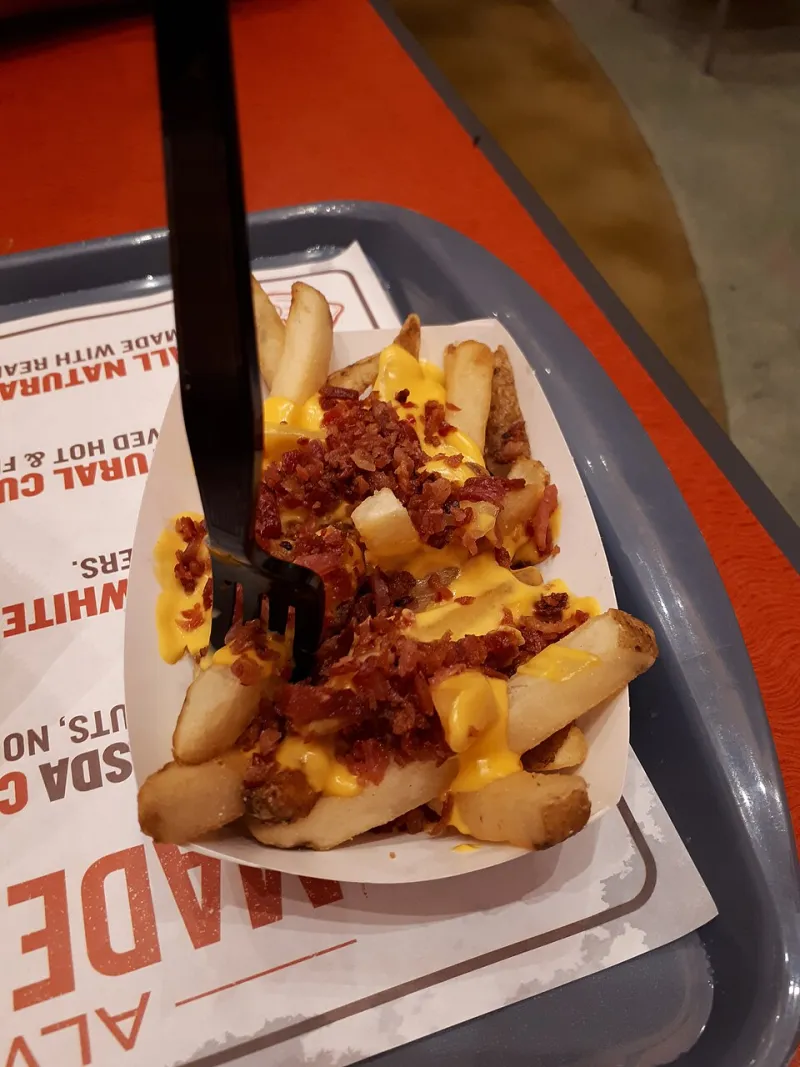
Photo: Jalal Volker, CC BY-SA 3.0, via Wikimedia Commons
There's a particular kind of food obsession that goes beyond just liking a restaurant. It's the stage where you've eaten everything on the menu, you know the server's name, and you've started wondering — what else is this kitchen doing that I don't know about?
The answer, more often than you'd expect, is a lot.
Chefs and restaurant operators across the US have quietly built second and third concepts that fly completely under the radar. Ghost kitchens, pop-up dinners, delivery-only brands, and low-key satellite locations are all part of a shadow restaurant world that most casual diners never find. But they exist, they're often excellent, and knowing how to track them down is one of the most rewarding skills you can develop as someone who takes eating seriously.
Why Restaurants Go Underground in the First Place
The restaurant industry is brutal. Margins are thin, real estate is expensive, and opening a full second location is a massive financial bet. Ghost kitchens and pop-up models give chefs a way to experiment, expand, or just keep doing what they love without taking on the overhead of a whole new brick-and-mortar space.
During the pandemic, many established restaurants pivoted to delivery-only concepts out of necessity — and a surprising number of them never stopped. A Thai restaurant in Chicago might be running a separate fried chicken sandwich brand out of the same kitchen, available only on DoorDash. A beloved brunch spot in Austin might be doing a late-night taco pop-up on Fridays that's only advertised through their Instagram stories.
These aren't gimmicks. Often, they're passion projects — the food the chef actually wants to make, freed from the constraints of their main concept's identity.
Start With the Apps You Already Use
The most accessible place to start hunting is the delivery platform sitting on your phone right now.
On DoorDash, Uber Eats, and Grubhub, restaurant names don't always correspond to the physical location you know. Search for a restaurant you love by the chef's name or by a keyword — cuisine type, neighborhood, specific dish — and you might surface a delivery-only concept you didn't know existed. Look at the listed address. If it matches a restaurant you already know, you've found a ghost kitchen offshoot.
Some platforms are starting to surface this information more transparently, but for now, a little detective work goes a long way. Cross-reference addresses on Google Maps. If the address for a brand you've never heard of matches the address of a restaurant you love, that's your cue.
Follow the Chef, Not Just the Restaurant
This is the move that separates the casual diner from the real food hunter.
Chefs are the most reliable thread to pull. Follow your favorite restaurant's head chef on Instagram, and you'll often get a front-row seat to everything else they're doing. Pop-up announcements, collaboration dinners, farmers market appearances — most of this lives on social media and nowhere else. If you're only following the restaurant's official account, you're getting the curated version. Follow the actual humans in the kitchen and you get the unfiltered one.
Same goes for sous chefs and pastry chefs. The person making the bread you love at your favorite neighborhood spot might be running their own weekend farmers market table. The bartender at your go-to cocktail bar might be doing a monthly pop-up dinner series out of a rented kitchen space across town. These people are hustling on multiple fronts, and they're usually happy to have a curious audience.
Local Food Media Is Still Your Best Tip Sheet
Eater's city-specific sites, local alt-weeklies, and neighborhood food blogs are still doing the work of surfacing this stuff in a way that algorithms don't quite manage yet. Cities like Los Angeles, New York, Chicago, Houston, and Atlanta have robust local food coverage that regularly reports on new ghost kitchen launches, pop-up series, and satellite concepts.
Set up a Google Alert for your city plus terms like "ghost kitchen," "pop-up dinner," or "chef collaboration." Subscribe to your local food publication's newsletter. These publications often know about a concept weeks before it shows up on any delivery app.
Reddit is also quietly excellent for this. The r/food communities for specific cities — r/austinfood, r/LAFood, r/chicagofood — are full of locals who've found exactly the kind of off-radar spots this article is about. A well-placed question in one of those threads can return recommendations you'd never find through a standard search.
What to Look for When You Find One
Not every ghost kitchen or pop-up is worth your time, obviously. Some are opportunistic cash grabs. Others are genuinely exciting.
The good ones tend to have a specific point of view — a narrow menu, a clear culinary identity, and some connection to a kitchen or chef you can verify. If a delivery-only brand has no traceable origin, no chef behind it, and a menu that covers everything from sushi to barbecue, it's probably just an aggregator playing the algorithm game. Skip it.
But if you find a taco concept run out of the same kitchen as your favorite upscale Mexican restaurant, or a smash burger brand launched by the team behind a celebrated gastropub — that's worth an order. These side projects often represent the team cooking what they actually want to eat, which is a very good sign.
Building Your Personal Food Map
The payoff for all this detective work is a food life that looks very different from the average app user's. While most people are scrolling through the same top-10 results, you're ordering from a chef-driven fried rice concept that only exists on Tuesday nights. You're making it to the pop-up dinner that sold out before it was ever publicly announced. You're finding the farmers market booth that's a direct line to the kitchen of your favorite restaurant in the city.
Platforms like Eat We Go exist to help you find great food wherever you happen to be — and part of that is recognizing that great food doesn't always announce itself. Sometimes it's hiding in plain sight, running under a different name, available only on weekends, or showing up as a delivery option you've scrolled past a dozen times without connecting the dots.
The restaurants you love are doing more than you know. Go find the rest of it.