Eating Well on the Road When You Don't Have a Kitchen: The Remote Worker's Survival Guide
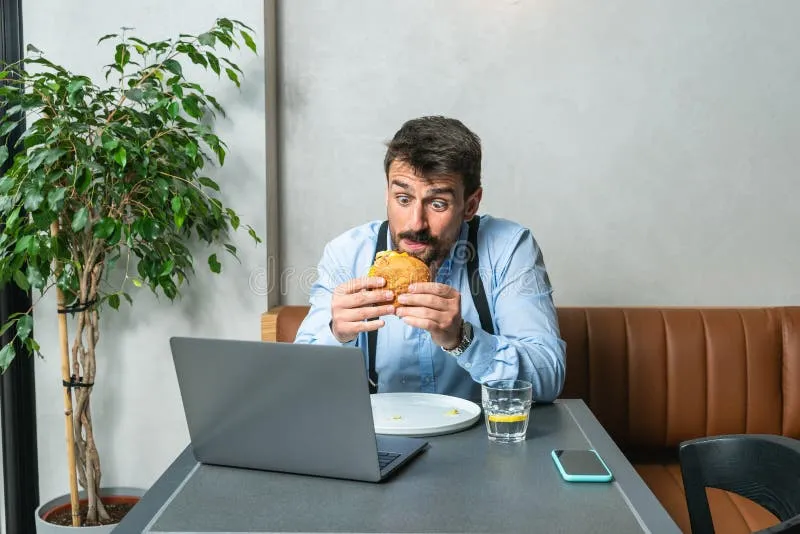
Photo: remote worker eating meal at laptop in hotel room or cafe, via thumbs.dreamstime.com
There's a certain kind of hunger that hits differently when you're three time zones from home, surviving on gas station coffee, and trying to get through a Zoom call before your laptop dies. It's not just physical — it's the kind of tired that comes from eating without intention.
America has millions of people living this way right now. Some are full-time digital nomads hopping between Airbnbs and co-working spaces. Others are road-tripping remote workers spending weeks at a time in a different state. And then there are the frequent business travelers who never quite figured out how to stop eating sad airport sandwiches at 9 p.m.
What all of them have in common: they're eating outside their homes, constantly, and they've had to get smart about it.
The Mindset Shift That Changes Everything
The biggest mistake people make when they start traveling for extended stretches is treating every meal like a vacation indulgence. Eating out three times a day sounds fun for a long weekend. After two weeks, it's expensive, exhausting, and your body starts staging a quiet protest.
The nomads who've figured this out tend to think about food the same way they think about their work setup — it needs to be functional, repeatable, and sustainable. That doesn't mean boring. It means intentional.
Building even a loose eating routine while traveling — a reliable breakfast option, a go-to lunch strategy, a flexible dinner plan — reduces decision fatigue significantly. And decision fatigue is the enemy of eating well on the road.
How Smart Ordering Actually Works
Delivery apps and restaurant discovery platforms have become essential infrastructure for the mobile workforce. But most people are using them reactively — hungry, scrolling, ordering whatever looks good in the moment. That's a recipe for overspending and under-eating.
Here's what experienced road eaters do instead:
Order for two meals at once. When you're ordering delivery to a hotel room or rental, get enough for dinner and tomorrow's lunch. A lot of cuisines — Indian, Thai, Mediterranean, Mexican — hold up beautifully overnight and often taste better the next day. You also avoid the noon scramble when you're trying to hit a deadline.
Use filters strategically. When you're in a new area, filter by cuisine type rather than just proximity. You're not looking for the closest option — you're looking for the most reliable one. Sorting by number of orders in your area often surfaces places that have earned a local following, which is usually a better signal than raw star ratings.
Know your protein anchors. Nomads who've been at this for a while tend to identify one or two high-protein, portable food items that are available almost everywhere in the US — rotisserie chicken, hard-boiled eggs from a grocery deli, Greek yogurt, deli turkey. These aren't glamorous, but they're the scaffolding that keeps you from crashing between actual meals.
The Grocery Store Is Your Best Friend
This sounds obvious, but plenty of road workers skip it entirely. A 20-minute grocery run when you arrive somewhere new can dramatically improve the quality of your eating for the next several days.
You don't need a full kitchen to make good use of a grocery store. A mini fridge, a microwave, and a coffee maker — which you'll find in almost any US hotel room — open up more options than you'd think. Overnight oats in a mason jar. Microwave-safe soups. Pre-washed salad kits with a rotisserie chicken pulled apart on top.
Target, Whole Foods, Trader Joe's, and Walmart all have solid prepared food sections that have gotten noticeably better in the last few years. For longer stays, knowing which chains are near your accommodation before you arrive saves a lot of wandering around hungry.
Building a Portable Pantry
Frequent travelers often travel with a small kit of non-perishable staples that make every temporary kitchen more functional. The exact contents vary by person, but the logic is consistent: fill in the gaps that delivery and restaurants don't cover well.
Common items in the nomad pantry include: individual nut butter packets, instant oatmeal, protein bars (the kind that don't taste like chalk), a small bottle of hot sauce, instant miso soup packets, and a collapsible silicone bowl or two. Some people add a small immersion blender for smoothies if they're staying somewhere for more than a week.
None of this replaces real meals. It's the buffer that keeps you from making a terrible decision at 11 p.m. because you skipped lunch.
The Social Side of Eating on the Move
One thing that doesn't get talked about enough: eating alone, constantly, gets old fast. Food is social by nature, and sustained solo travel can hollow that out in ways that sneak up on you.
Some remote workers solve this by building meals into their co-working routine — a shared lunch order with people from a co-working space, or a standing habit of eating at a counter seat at a local spot rather than ordering delivery back to the room. Others use food as an active discovery tool, treating every new city as an opportunity to find one genuinely great meal that makes the trip memorable.
Planning that one great meal — researching it in advance, making it an event — gives the week a kind of anchor. It's not just sustenance. It's the thing you're looking forward to.
The Long Game
Eating well while living on the move isn't a hack. It's a habit that takes a few iterations to get right. The people who do it well have usually gone through a phase of doing it badly first — the gas station dinner phase, the sad desk salad phase, the ordering the same thing every day because it's safe phase.
What comes out the other side is a more flexible, resourceful relationship with food. One where you can land somewhere new, pull up a delivery app, spot the right restaurant in thirty seconds, and already know you've got breakfast handled for tomorrow.
That's the goal. Not perfection — just a system that works wherever you happen to be eating next.