Fuel for the Long Haul: How to Eat Smarter When Your Day Never Stops Moving
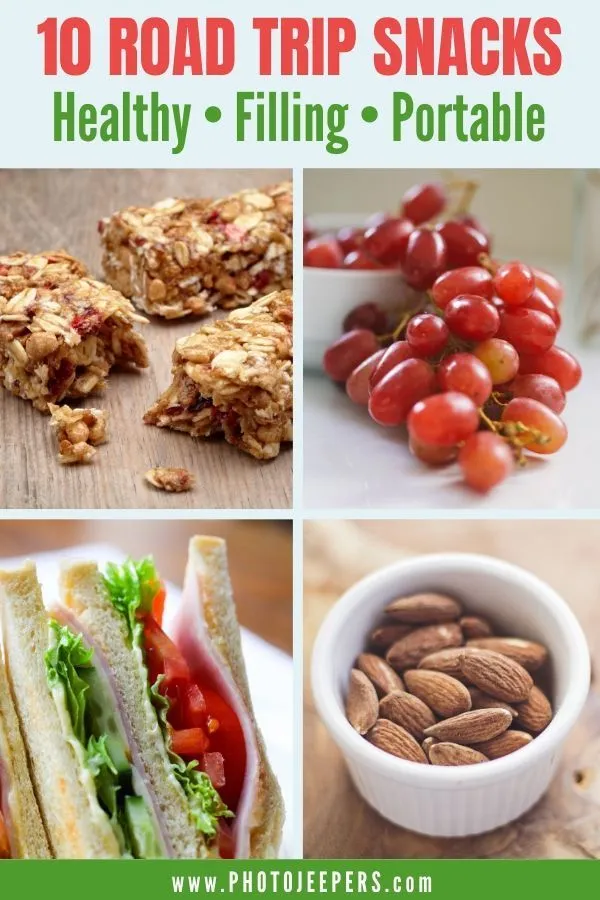
Photo: healthy portable food meal prep travel snacks on the go commuter, via i.pinimg.com
There's a specific kind of hunger that hits around hour four of a long travel day. You skipped breakfast because you had to catch an early train. You grabbed something from a vending machine around noon that did basically nothing. Now you're tired, a little irritable, and staring down a three-hour drive with no good options for another fifty miles. Sound familiar?
For a lot of Americans — commuters, road warriors, frequent flyers, remote workers bouncing between cities — this is just Tuesday. Eating well while constantly moving isn't just inconvenient, it's genuinely complicated. Your schedule is unpredictable. Your options are limited. And the default choices available at rest stops, airports, and highway exits are rarely designed with your long-term energy in mind.
But here's the thing: eating better on the go isn't about being perfect. It's about understanding a few key principles and building habits that work with your lifestyle rather than against it.
Why Your Body Struggles When You're Always Moving
Before getting into the practical stuff, it helps to understand what's actually happening physiologically when you eat on the run. Digestion isn't just about the food you put in — it's heavily influenced by your nervous system. When you're stressed, rushing, or sitting in a cramped seat for hours, your body shifts into a low-grade fight-or-flight state that actively deprioritizes digestion.
Registered dietitians consistently point to blood sugar stability as the single most important factor for sustained energy during travel. When you go long stretches without eating and then grab something high in refined carbs — a bag of chips, a gas station pastry, a fast food bun with not much else — your blood sugar spikes and then crashes, leaving you more fatigued than before. The fix isn't complicated, but it requires some intention.
The goal is steady glucose. That means pairing carbohydrates with protein and fat at every eating opportunity, keeping portions moderate, and not skipping meals even when your schedule gets chaotic.
The Portable Nutrition Framework
Think of your travel eating in three tiers: anchor meals, bridge snacks, and emergency backups.
Anchor meals are your real, intentional eating moments — breakfast before you leave, a sit-down or ordered lunch, dinner when you land or arrive. These are the meals where you have the most control, and they should do the heavy lifting nutritionally. A meal with lean protein, complex carbs, healthy fat, and some fiber will keep you stable for three to four hours, which is usually enough to bridge the gap between stops.
Bridge snacks are what keep you from arriving at your anchor meal completely depleted and making impulsive choices. These should be easy to carry, require no refrigeration, and combine at least two macronutrients. Think: a small bag of mixed nuts and dried fruit, a whole grain cracker with individual nut butter packets, or a protein bar with a real ingredients list (not just sugar and synthetic protein).
Emergency backups are the options you don't prefer but won't derail you if you need them — a string cheese from a convenience store, a hard-boiled egg from a gas station cooler, a banana. Not glamorous, but functional.
What Actually Travels Well (and What Doesn't)
Not all healthy food is travel food. A beautiful grain bowl with avocado and fresh dressing is great at home. In a bag on a four-hour drive, it's a mess waiting to happen.
For portable, no-refrigeration-needed options that hold up well:
- Jerky and meat sticks — high protein, shelf-stable, genuinely satisfying. Look for options with minimal added sugar and sodium.
- Nut and seed mixes — calorie-dense in a useful way, easy to portion, pair well with fruit.
- Whole grain crackers with individual nut butter packets — Trader Joe's and Justin's both make single-serve nut butter that's TSA-friendly and easy to throw in a bag.
- Roasted chickpeas — fiber and protein, crunchy, doesn't get soggy.
- Protein bars with clean labels — RXBARs, Larabars, and KIND bars are solid choices that don't taste like cardboard.
For items that need a cooler or insulated bag but are worth it:
- Hard-boiled eggs (pre-peeled, in a container)
- Greek yogurt cups
- Cheese sticks or babybel rounds
- Pre-portioned hummus with veggie sticks
Avoid anything that's predominantly refined carbs on its own — pretzels, crackers without protein, most granola bars that are essentially candy. They'll spike your blood sugar and leave you hungrier an hour later.
Ordering Smart When You Have to Stop
Sometimes you don't have a cooler full of prepped snacks. You're hungry, you're at a highway exit with limited options, and you need to make the best call available. This is where knowing how to order strategically matters.
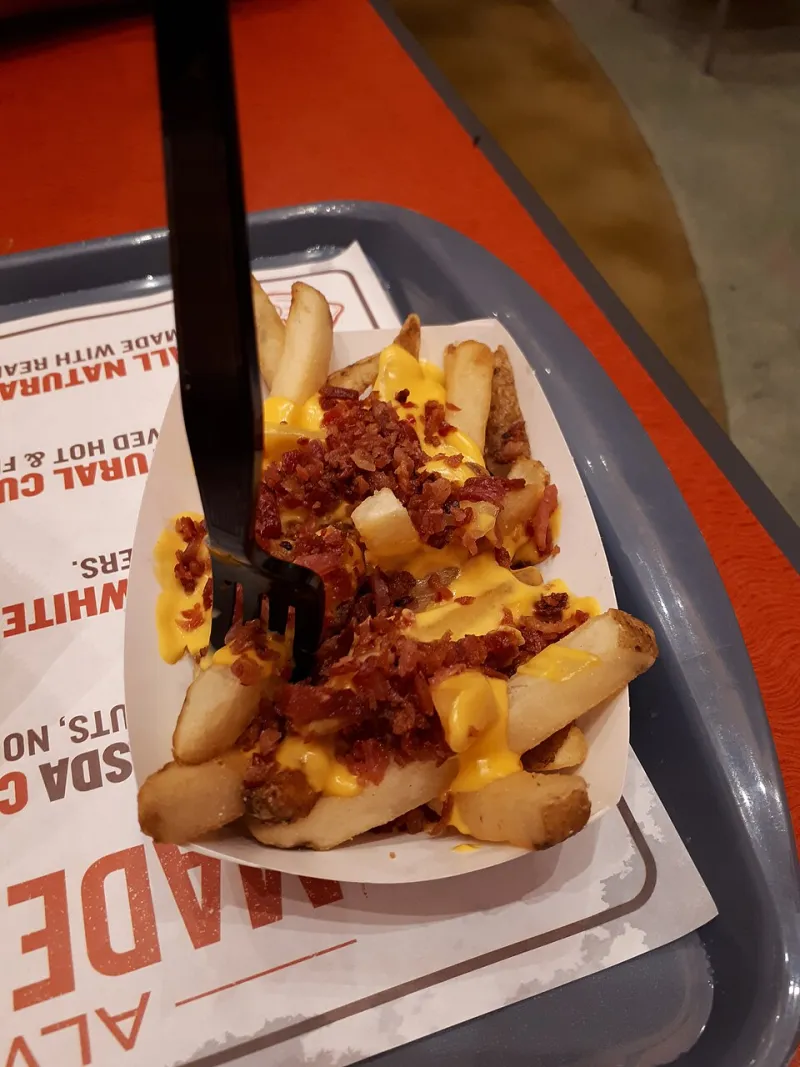
At fast food chains, grilled protein over fried is always the better call for sustained energy. A grilled chicken sandwich without the sauce, a burrito bowl with black beans and guac at Chipotle, or even a breakfast sandwich on a whole grain option if it's available — these are all decent choices. Skip the large fries and the 32-ounce soda, which will give you a short burst followed by a crash.
Convenience stores have gotten significantly better over the past few years. Many now carry hard-boiled eggs, Greek yogurt, fresh fruit cups, and decent sandwiches in the cooler section. It's worth walking past the chip aisle to see what's actually available.
If you're using a delivery app to order ahead at your next stop — which, honestly, is one of the smartest moves a traveler can make — take two minutes before you leave to queue up an order that'll be ready when you arrive. You'll make better choices when you're not already hungry and standing in line.
Hydration Is Doing More Work Than You Think
Dehydration is one of the sneakiest reasons people feel sluggish and unfocused during travel. Airplane cabins are notoriously dry. Long drives mean you're not getting up and moving, which affects circulation. Coffee and energy drinks, the go-to travel companions for most Americans, are diuretics that compound the problem.
A simple rule: for every cup of coffee, drink an equal amount of water. Keep a refillable bottle in your bag and actually use it. If you're flying, drink water before you board, not just during the flight.
The Bigger Picture
Eating well on the move isn't about willpower or discipline — it's about removing friction. The people who consistently eat better during travel days are the ones who've made a few small decisions ahead of time: packed a bag with bridge snacks, identified a decent ordering option at their midpoint stop, and planned their anchor meals around their schedule instead of hoping something good shows up.
You don't need a meal plan or a nutrition degree. You just need a little preparation and the knowledge that your body is going to perform a lot better when you're not running on gas station pastries and caffeine.
Wherever you're headed, eating well along the way is completely doable. It just takes a little intention before you hit the road.