The Best Cheap Dinner in America Has a Checkout Lane
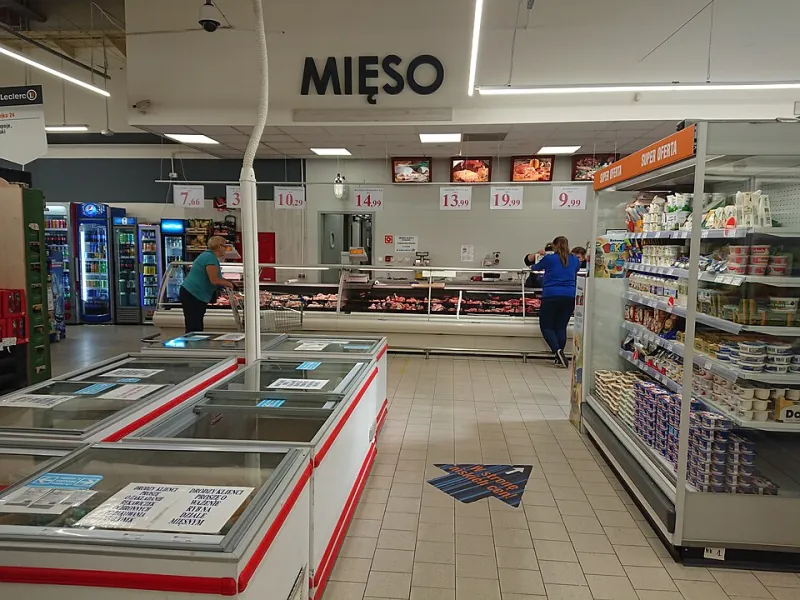
Photo: Realeklas, CC BY-SA 4.0, via Wikimedia Commons
There's a particular kind of defeat that comes from standing in a grocery store at 6:30 PM, holding a basket with three lemons and a box of pasta in it, knowing full well you are not going to cook any of it.
And meanwhile, six feet to your left, there is a rotisserie chicken turning under a heat lamp, a hot bar with green beans and roasted potatoes, a case of sushi made this morning, and a person at a counter who will build you a sandwich right now for eight dollars.
We have collectively decided that the grocery store deli is for office lunch runs and Super Bowl party platters. That's a mistake. Supermarket prepared food is one of the best deals in American eating, and it has quietly gotten better while delivery apps have gotten more expensive.
The economics are not subtle
A delivery order for one person, once you stack the menu markup, the delivery fee, the service fee, and the tip, routinely lands in the high twenties or low thirties. For that money you can buy a whole cooked chicken, a pound of potato salad, a bag of rolls, and a bottle of something cold — and still have change.
A quarter rotisserie chicken and two sides at a supermarket hot bar is often under $10. A made-to-order deli sandwich is typically $6 to $10 and usually bigger than what arrives in a delivery bag. A pound of hot bar food varies a lot by chain and region, generally somewhere between $9 and $13 per pound, and a pound of prepared food is a genuinely large amount of dinner.
The kicker is timing. Delivery takes 40 to 70 minutes on a busy night. The deli takes ten, and the chicken was roasted an hour ago rather than riding around in an insulated bag.
How to order well at the counter
Buy the bird. Rotisserie chicken is the single highest-value item in the building. Eat it hot the first night, then pull the rest for sandwiches, tacos, soup, or a salad. One chicken covers two or three meals for one person. At warehouse clubs it's famously cheap; at regular supermarkets it's still one of the best dollars-per-gram-of-protein deals in America.
Watch the scale at the hot bar. This is where people get burned. A generous scoop of mac and cheese weighs a lot, and so does anything in a cream sauce. If you're price-conscious, get the vegetables and proteins first and add the heavy starches last, and don't let a container get packed down like you're doing soil samples.
Treat the salad bar as a vegetable source, not a salad. The greens are the cheapest thing there and the toppings are the most expensive and heaviest. Also: wet ingredients leak. Keep the dressing in a separate cup.
Ask for the sandwich and wait for it. Made-to-order always beats the pre-wrapped version sitting in the case since 11 AM. Ask what bread is freshest that day — the answer is usually obvious and useful.
Use the hot bar's schedule, not yours. Most stores restock the hot bar at predictable times, generally ahead of lunch and again ahead of the dinner rush. Show up 20 minutes after a restock and everything is at its best. Show up at 8:45 PM and you're eating what survived.
Check the markdown stickers. Late in the evening, prepared foods get discounted rather than thrown out. If you're shopping after 8 PM, walk the case before you decide anything.
What actually holds up, and what doesn't
Good bets: rotisserie chicken, fried chicken from chains that do it well, ribs, roasted vegetables, soups, mac and cheese, potato and pasta salads, olives and antipasti, bakery bread, and anything carved to order.
Risky bets: fried food that's been sitting under a lamp for an hour, anything breaded and sauced, fish, and pre-made salads drowning in dressing. Sushi is a conditional yes — check whether it's made in-store or shipped in from a commissary, and check the date label, which is usually printed right on the lid.
Regional chains do this very differently
This is where supermarket eating gets genuinely fun, because the deli counter is one of the last strongholds of regional food culture in America.
Publix runs an entire sub shop inside the store, and in much of the South it is a legitimate lunch destination, not a consolation prize. The fried chicken and the prepared sides hold up too.
Wegmans treats prepared food like a department store — hot bars, sushi, a sub shop, a pizza counter, and a bakery that could stand alone as a business.
H-E-B in Texas pushes further than most, with in-store barbecue, fresh tortillas, and prepared meal kits that are actually designed to be eaten that night.
Kroger, Safeway, and Albertsons are hit-or-miss by location, but the delis are consistent enough to rely on for sandwiches and chicken.
Costco is its own category. The food court is a legendary cheap meal even if you didn't need a 48-pack of anything.
Asian supermarkets like H Mart and 99 Ranch often have hot food counters and banchan sections that put the mainstream chains to shame on quality and price per bite.
Trader Joe's doesn't have a hot bar, but its refrigerated prepared case is essentially a meal-assembly kit for people who have given up on cooking.
Whole Foods is the outlier: excellent hot bar, real sticker shock. It's the one place where the per-pound math can exceed a delivery order.
When the grocery store genuinely wins
It wins when you're solo and don't want to spend $28 on dinner. It wins when you're feeding kids who will eat three bites of anything. It wins when you're in a hotel room with a microwave and a mini fridge and no interest in a $40 room service burger. It wins when you're eating lunch at your desk. It wins when you want to control exactly how much salt and sauce and cheese ends up in your food.
It loses when it's 11 PM and everything is closed. It loses when you genuinely want a specific dish from a specific kitchen. And it loses when the hot bar has been sitting since 4 PM looking tired.
The move
Next time the app is open and your thumb is hovering, close it and drive the eight minutes to the store instead. Grab a chicken, hit the hot bar, get a loaf of bread, and eat in the parking lot like a person who has figured something out.
Because the sign on the door says groceries. But the counter in the back is running a restaurant.