Too Easy, Too Often: How Frictionless Food Delivery Is Making Every Meal Feel Like Nothing
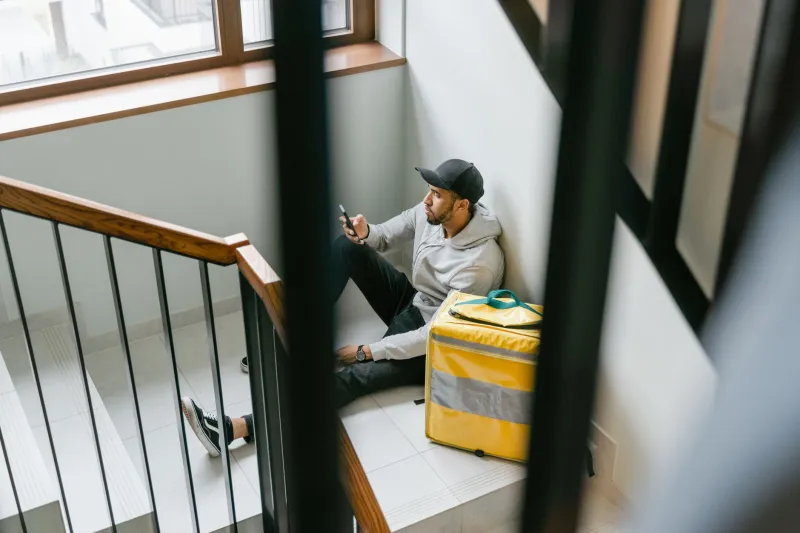
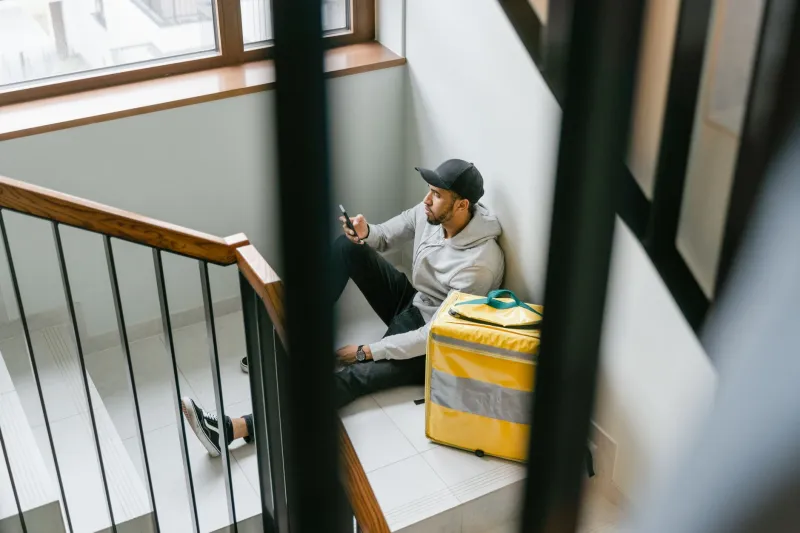
There's a specific kind of disappointment that hits when you open a delivery bag. The food is fine. Maybe it's even great. But something's off — a low-grade flatness you can't quite name. You eat most of it, scroll through your phone, and forget the whole thing happened by 9 PM.
This isn't a packaging problem. It's not about lukewarm noodles or soggy fries, though those don't help. It's something deeper, and food researchers have been watching it unfold in real time as delivery apps have woven themselves into the daily rhythm of American life.
The short version: the easier it gets to order food, the less meaningful that food becomes.
The Paradox Nobody Warned You About
Convenience was supposed to be the whole point. And in a lot of ways, it delivered. You can get tacos from a place three miles away without putting on shoes. You can feed four people on a Tuesday night without a plan. That's genuinely useful, and nobody's here to shame you for it.
But behavioral psychologists have a term for what happens when effort disappears from an experience: they call it the IKEA effect in reverse. The IKEA effect describes how people value things more when they've put work into them — assembled furniture feels more satisfying than pre-built furniture, even if it's objectively the same quality. Food works the same way.
When you cook a meal — even a simple one — you've invested time, attention, and a little bit of yourself. When you drive across town to a restaurant you've been thinking about all week, you've built anticipation. Both of those things prime your brain to receive the food as something worth savoring.
A delivery app removes almost all of that scaffolding. The food arrives, and your brain has done almost nothing to earn it. The reward circuitry that makes a meal feel like an event barely activates.
Infinite Choice Is Its Own Kind of Exhaustion
Here's another layer to it: the sheer volume of options on a typical delivery app is working against you.
Psychologist Barry Schwartz laid out the basic problem in his book The Paradox of Choice — more options don't make people happier, they make people more anxious and more likely to second-guess whatever they choose. That effect is supercharged in a food delivery context, where you might be scrolling through 200 restaurants and thousands of individual menu items before you settle on anything.
By the time your order is placed, you've already spent decision-making energy. You've considered and rejected dozens of meals. You've read descriptions, looked at photos, checked ratings. And then, after all that, the food shows up and it's just... food. The mental overhead you burned getting there doesn't feel worth it, even if the meal itself is solid.
Data pulled from app usage patterns supports this. Users who spend longer in the browsing phase before ordering consistently report lower satisfaction with their eventual meal than users who decide quickly. The deliberation itself poisons the well.
You're Not Eating Less — You're Caring Less
One of the stranger side effects of delivery normalization is that individual meals have lost their distinctiveness. When you order four or five times a week, no single meal stands out. They blur together into a kind of ambient feeding — calories consumed, hunger addressed, experience forgotten.
Compare that to the meal you planned for. The reservation you made two weeks out. The restaurant you drove 45 minutes to reach because someone you trusted said it was worth it. You remember those meals. You talk about them. You go back.
The effort created a memory. The frictionless order didn't.
Food therapists working with clients on disordered eating and emotional food relationships have started flagging this pattern specifically. When eating becomes purely transactional — a problem to be solved with minimal effort — people lose their connection to food as something pleasurable and culturally meaningful. It stops being an experience and starts being a chore you outsourced.
The Anticipation Gap
Anticipation is one of the most underrated ingredients in any meal. Neuroscientists studying reward systems have found that the expectation of a pleasurable experience activates the brain's dopamine pathways almost as strongly as the experience itself. Waiting — genuinely looking forward to something — is part of what makes it good.
Delivery apps have compressed that window to almost nothing. You decide you want food, you order food, food arrives. The cycle from impulse to fulfillment can happen in under 30 minutes. That's not enough time for anticipation to build. You haven't had a chance to get excited. The meal shows up before you've really wanted it yet.
This is part of why so many people report feeling vaguely unsatisfied even after a perfectly decent delivery meal. The food wasn't the problem. The timeline was.
So What Do You Actually Do With This?
None of this means you should delete your apps and start making everything from scratch. That's not realistic, and honestly, delivery is still one of the great modern conveniences when used with a little intention.
But there are small adjustments that can meaningfully shift the experience.
Order less frequently. This sounds obvious, but it works. When delivery is a regular treat rather than a default, the meals matter more. You look forward to them.
Decide faster. Set a time limit on your browsing — five minutes, maximum. Shorter deliberation consistently leads to higher satisfaction. Trust your gut and commit.
Build a short list. Instead of scrolling through everything every time, keep a mental (or actual) list of five or six places you genuinely love. Rotate through those. Familiarity with a restaurant's menu means you already know what you want, which cuts decision fatigue and raises the odds you'll get something you're actually excited about.
Make it an occasion. Plate the food. Sit at a table. Put your phone down. The delivery experience mimics dining out, so treat it that way. The physical context of a meal affects how it tastes — literally. Studies on multisensory eating consistently show that environment shapes flavor perception.
Use discovery apps to find places worth the trip. Platforms built around restaurant discovery — including tools that surface local spots you haven't tried — can help you identify places worth making an effort for. Some of the best meals you'll have this year are at restaurants you've never heard of, and finding them is half the fun.
Ease Is Great. Meaning Is Better.
The delivery industry isn't going anywhere, and it shouldn't. It's genuinely useful, it supports local restaurants, and it solves a real problem for millions of people on busy nights.
But convenience without intention is just consumption. And somewhere in the relentless optimization of getting food to your door faster and easier, a little bit of what makes food worth eating has gotten lost in transit.
The fix isn't complicated. It just requires remembering that a meal is supposed to be something — not just fuel delivered on demand, but an experience with texture and anticipation and memory built in.
Order when it makes sense. Choose something you're actually excited about. And every once in a while, make yourself wait for it.